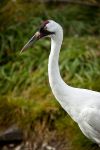
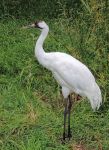
The whooping crane is the tallest North American bird, named for its whooping sound. At one time, the range for these birds extended throughout midwestern North America. In 1941, the wild population consisted of 21 birds. Conservation efforts have led to a population increase; as of April 2007 there were about 340 whooping cranes living in the wild, and another 145 living in captivity. The whooping crane is still one of the rarest birds in North America and it is still considered as Endangered by the IUCN. The species can stand up to 1.5 m and have a wingspan of 2.3 m. These birds forage while walking in shallow water or in fields, sometimes probing with their bills. They are omnivorous and more inclined to animal material than most other cranes. In their Texas wintering grounds, this species feeds on various crustaceans, mollusks, fish, berries, small reptiles and aquatic plants. Potential foods of breeding birds in summer include frogs, small rodents, smaller birds, fish, aquatic insects, crayfish, clams, snails, aquatic tubers, and berries.
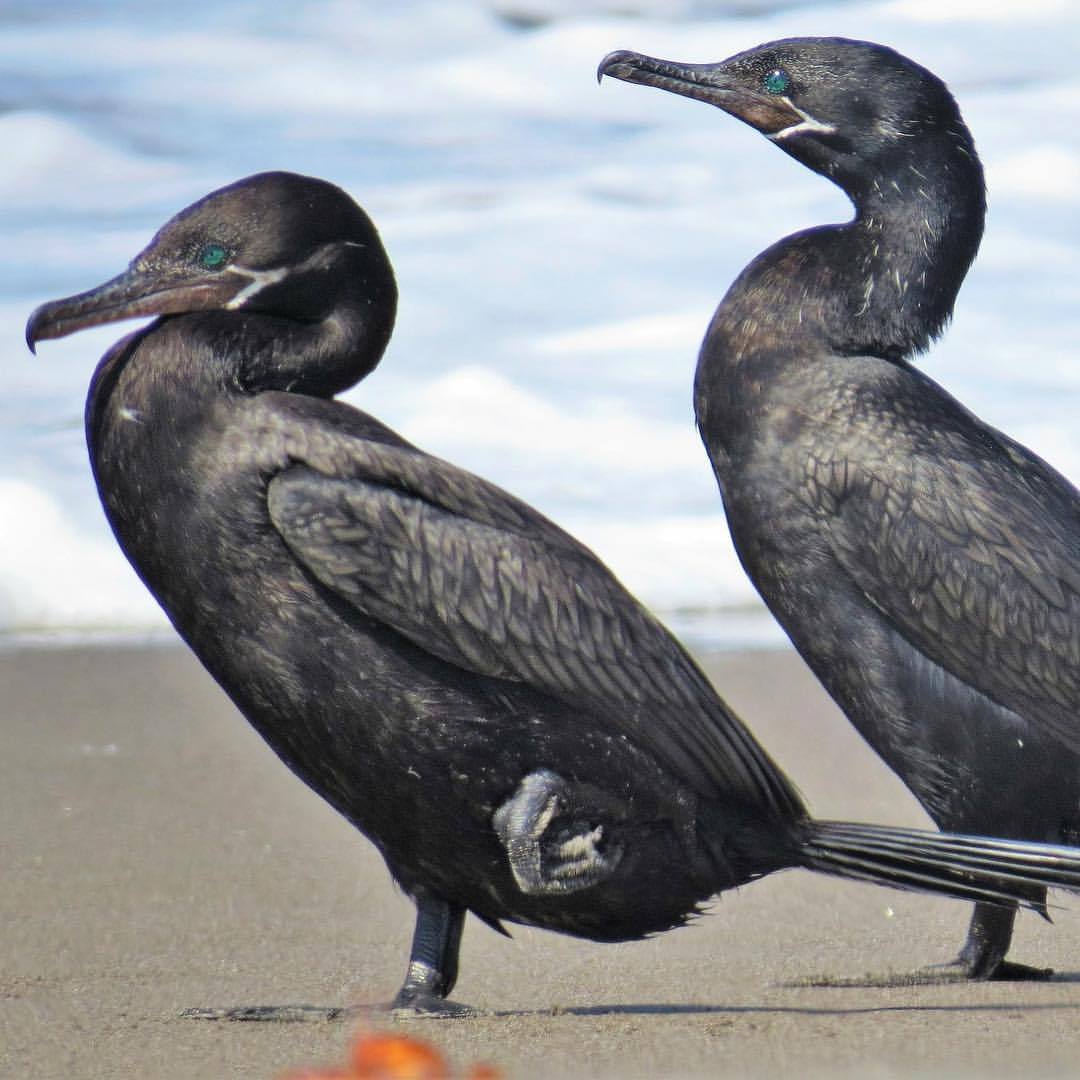
Neotropic Cormorant (Phalacrocorax brasilianus) at Mejia, Arequipa – Peru_January 2016
The only freshwater cormorant, the Neotropic also forages in the ocean, but always close to shore. It can be found year-round throughout Peru at altitudes below 1,000 m. However, they are also present locally in southern Peru’s altiplano (above 3,200 m).
They have adapted to just about every aquatic ecosystem, and have an equally diverse diet, including fish, crustaceans, amphibians and insects.
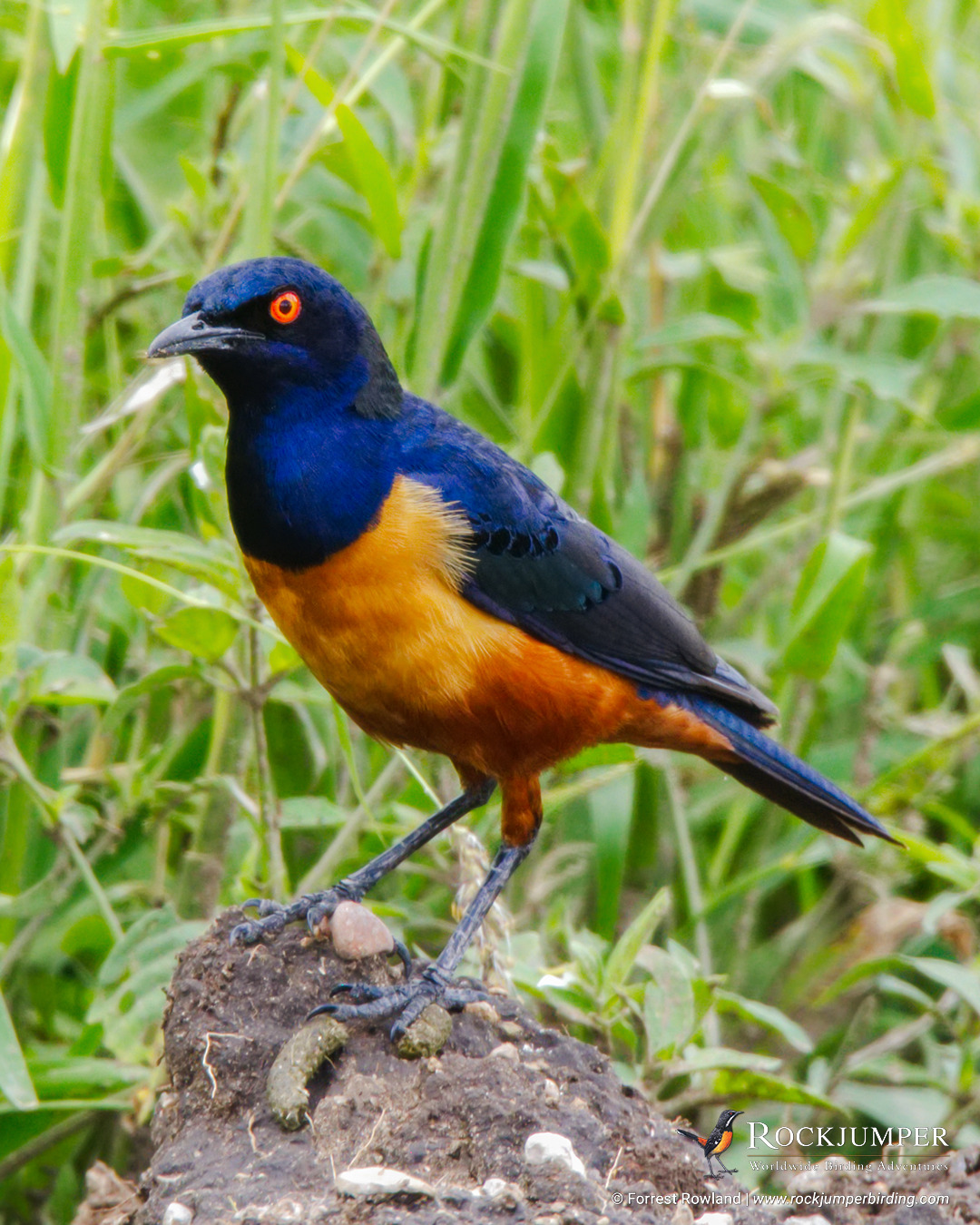
Photo of the Day – The Hildebrandt’s Starling (Lamprotornis hildebrandti) is only found in Kenya and Tanzania, where they inhabit open woodland and thornbush country. The species feeds on insects and fruit. While they typically forage on the ground, they do sometimes catch insects in flight.
This beautiful individual was photographed by Forrest Rowland during his time in East Africa
Like & share if you want to see more stunning starlings!
Fledgling Herons. I watched these guys for a little while and all they were catching was sticks. And when one caught a stick the others got interested. And then they would fight over the stick. lol. I don’t know if mom and dad are still feeding them… I didn’t see any parents arrive. But hopefully if all they can catch is sticks they are still getting a little help.
My all time favorite animal.
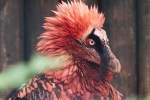
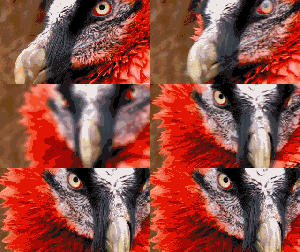
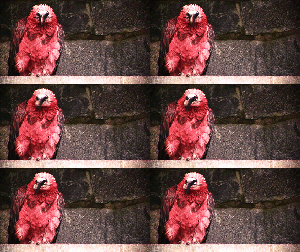
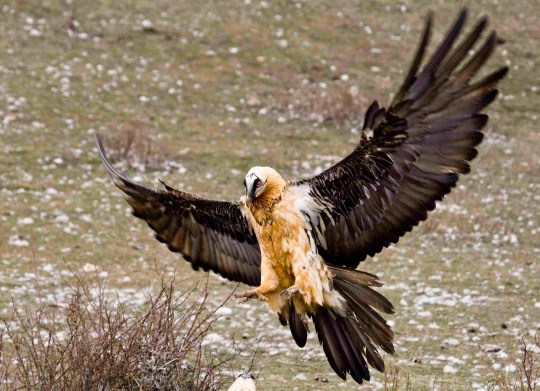
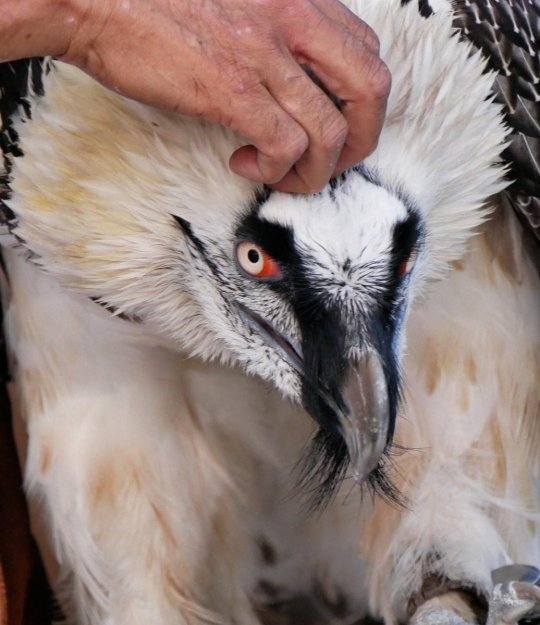
The red-bearded vulture.
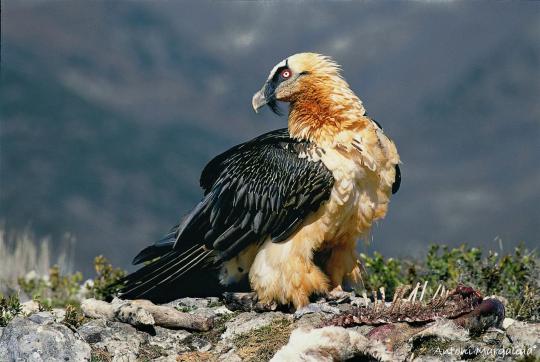
The bearded vulture, or lammergeier, lives on a steady diet of bones (more specifically the marrow) and dyes its own feathers blood red.
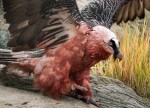
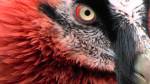
Bearded vultures come in various shades, from pure white to orange-red. Soils stained with iron oxide give the birds their fiery appearance. Lammergeiers apply the dirt with their claws and then preen for about an hour to ensure a bright orange/red glow. They are also attracted to other red things, like leaves and red wood. Captive birds also partake in this behavior, which suggests the activity is instinctual, not learned.
The soil doesn’t have any practical purposes; it certainly doesn’t make for good camouflage (though the birds have no natural predators anyway). Scientists have noticed that the birds’ age and size are directly correlated to the intensity of color. It is theorized that the hue is a status symbol. More soiled feathers indicates that the lammergeier had the time and resources to find an adequate place to bathe; the brightest-colored vultures should have the most territory and knowledge of their surroundings. Interestingly, these baths are done in secret, so most of the information gathered has been through spying on captive birds.
Bearded Vultures are most commonly monogamous, and breed once a year. Sometimes, especially in certain areas of Spain and France, bachelor lammergeiers will join a pre-existing couple to create a polyandrous trio. Females accept secondary mates because it increases the chances of producing offspring and doubles her protection. The birds usually don’t lay more than three eggs, so they can use all the help they can get.
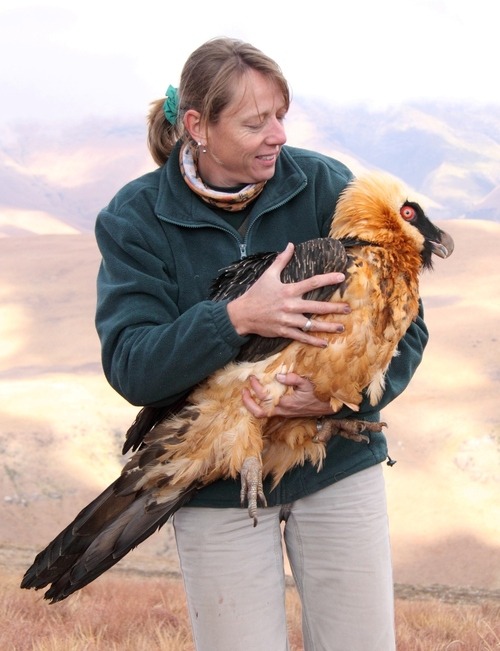
These giant birds can grow up to 4 feet tall. They have a wingspan between 7 and 9 feet and usually weigh around 10 to 15 pounds.
In other words, this bird is awesome and I love it forever.
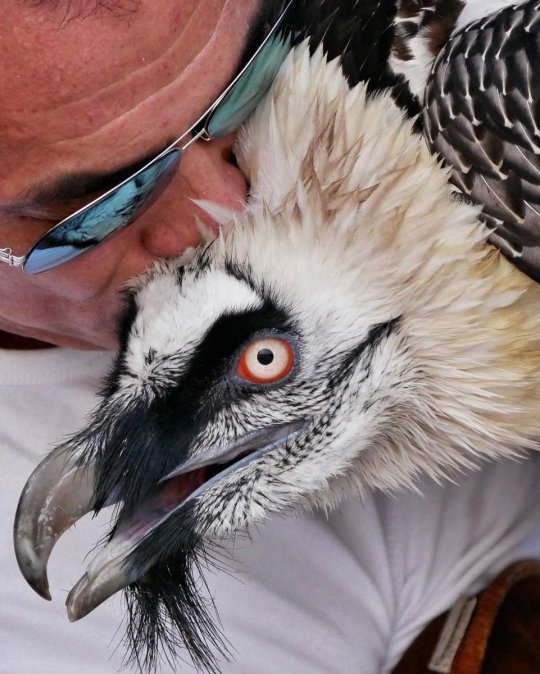
This is it. This is the moment I have found my patronus. I love these vain fluff faces forever.
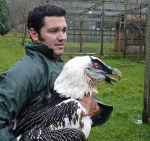
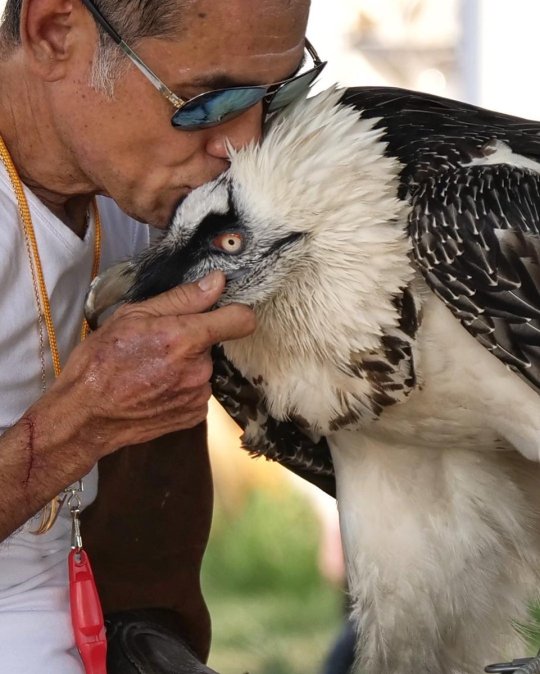
HE IS SMOOCHING THE DEATHMUPPET!!! I’m so jealous!












 The Light in the Sky