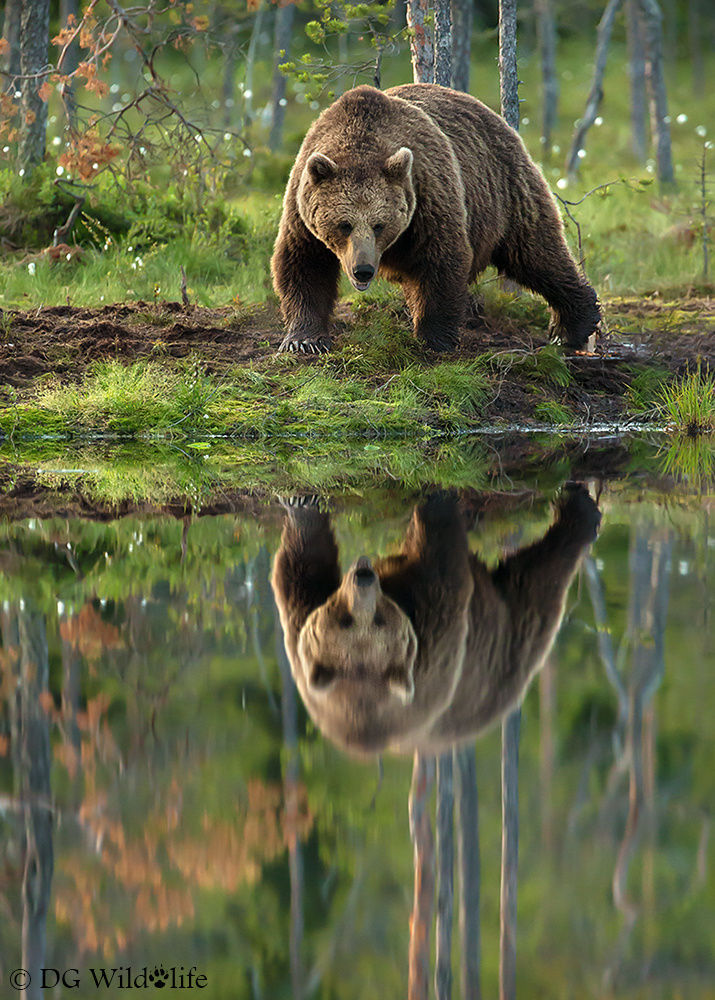
Who Are You? by Giedrius Stakauskas
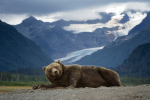
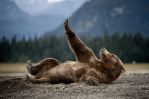
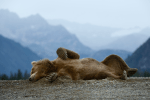
napping bear. or, melodramatic thespian bear. photos by olav thokle in alaska’s lake clark national park
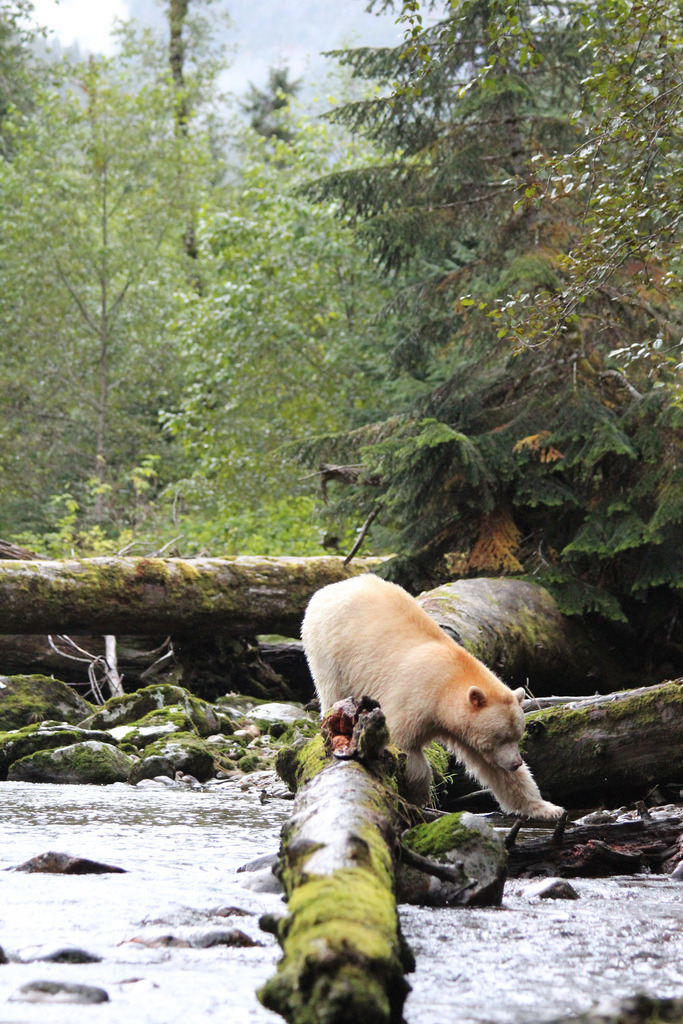




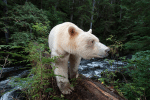
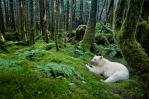


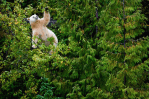
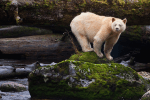
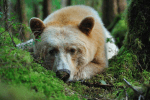
The great bear rainforest in British Columbia is one of the largest coastal temperate rain forests in the world, with twenty five thousand square miles of mist shrouded fjords and densely forested islands that are home to white furred black bears.
Neither albino nor polar bear, these rare black bears (there are fewer than five hundred) are known as kermode bears, or what the gitga’at first nation call mooksgm’ol, the spirit bear — a word they did not speak to european fur traders lest the bears be discovered and hunted. to this day, it remains taboo to hunt a spirit bear, or to mention them to outsiders.
The white fur in these bears is triggered by a recessive mutation of the same gene associated with red hair and fair skin in humans. though it remains unclear as to how the trait arose (or disappeared), it is especially pronounced on certain islands.
Photography: Paul Nicklen | Fabrice Simon | Paul Burwell
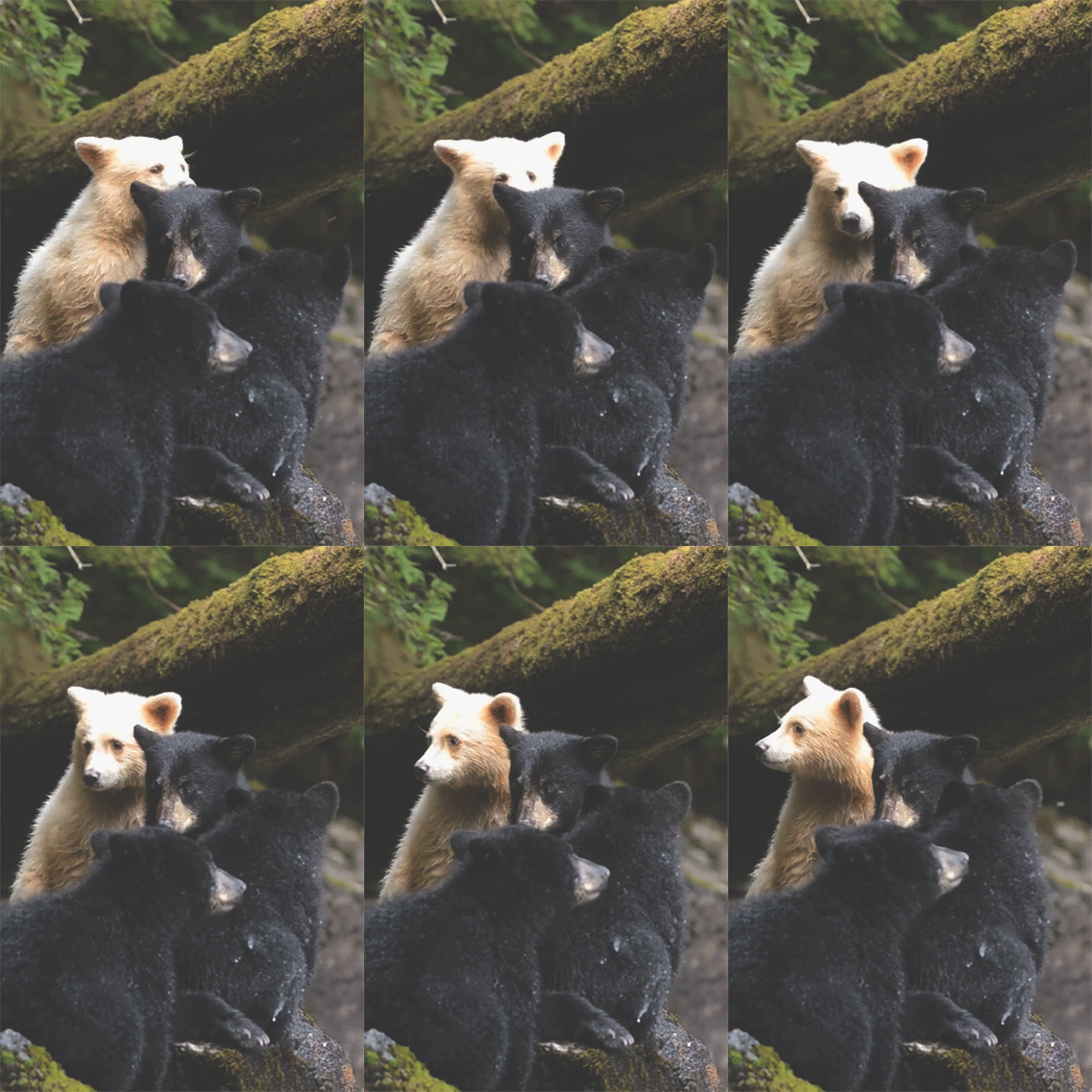
Behold the ghostly Kermode bear (Ursus americanus kermodei), also known as the “Spirit Bear”, a subspecies of the American Black Bear living in the central and north coast of British Columbia, Canada. Approximately 1/10 of their population are born with white or cream-coloured coats of fur like you see in these beautiful photos. They are not albinos or related to the Polar bear. This colour morph is due to a recessive allele common in the population.
National Geographic estimates the spirit bear population at 400-1000 individuals, saying that “the spirit bear may owe its survival to the protective traditions of the First Nations, who never hunted the animals or spoke of them to fur trappers”
In addition to their awesome appearance, the Kermode bears are also particularly successful fisher
menbears:Scientists have found that black bears are not as effective at catching fish as white bears, as the white bears are less visible from the perspective of the fish. While at night the two colors of bears have similar success rates at catching fish, such as salmon, during the day the white bears are 30% more effective.
Photos by Paul Nicklen via National Geographic
Morphs of black bear (Ursus americanus)
- A mother brown black bear and her black cub. She’s a dark brown with darker brown limbs and head. [x]
- A steely blue grizzled Glacier (U. a. emmonsii), the color lightest on it’s shoulders, back, and sides. [x]
- This female brown has distinctive areas of light brown on her shoulders and hips, which stand out against her dark brown back and black points and belly. [x]
- Here’s a very interesting and colorful cinnamon (U. a. cinnamomum), it’s longer scruffy (probably shedding) fur on it’s back a pale, sandy orange. It’s neck a vibrant rusty brown, and the head a dark brown. [x]
- A little more standard, this cinnamon is no less interesting with it’s light brown body, and slightly darker cinnamon brown head and limbs. According to the source, bears this color can have blue eyes. [x]
- This bear, somewhere in between cinnamon and blond, has light eyes and the skin around it’s nose and is pink. It’s very strange, since lighter black bear morphs don’t seem to have skin that is as light as this. [x]
- A light blonde bombshell with cinnamon points. [x]
- This rather light glacier has a creamy coat flecked with dark fur around it’s body and head, giving it a light blue tint. It’s neck has tinges of yellow, and the muzzle is either dark or hairless. [x]
- An impressive Kermode (U. a. kermodei), with a light cream body and peach neck and forehead that many seem to develop with age. [x]
- And last, what most people think when they hear “spirit bear”, a seemingly all white Kermode with her black cubs. [x]
Part two on markings here.

 The Light in the Sky